
Speak On Your Feet: Quick Improv Games for Instant Confidence
Dive into quick improv games that boost spontaneous speaking by unlocking playful curiosity, sharper listening, and fast decision-making. You’ll gather flexible exercises you can run anywhere—in class, online, or during meetings—while practicing supportive collaboration that turns nerves into fuel and transforms blank pauses into lively, persuasive moments.

Warm-Ups That Spark Instant Ideas
Zip, Zap, Zoom Variations
Stand in a circle, pass a clap and eye contact with snappy cues, then escalate patterns, directions, or emotions. The quick exchange forces presence, trims overthinking, and rewards clear offers. Add playful twists—names, gestures, or sound effects—to encourage agility, focus, and immediate supportive reactions from everyone.
One-Word Story Sprint
Build a story one word at a time, maintaining rhythm and accepting whatever arrives. This rapid cooperation curbs perfectionism and rewards momentum. Celebrate surprising turns and imperfect grammar, because speed teaches trust. After a minute, reflect on pacing, clarity, and how listening shaped each tiny, consequential choice you made.
Pass the Emotion
Choose an emotion, deliver a short line with exaggerated feeling, and pass it around. Then transform that feeling mid-rotation—joy to awe, awe to envy—without stopping the flow. You’ll practice vocal variety, expressive faces, and adaptability, learning how emotional color anchors spontaneous wording and keeps listeners engaged effortlessly.
Listening First: Responding Without Overthinking
Yes, And Relay
In pairs, one person shares a quick idea; the other starts with “Yes, and…” adding concrete detail. Continue for several turns, keeping statements short and specific. This reinforces acceptance, prevents argumentative detours, and generates momentum. Notice how agreement speeds decisions, simplifies structure, and makes your next sentence arrive almost automatically.
Last-Word First
Take the final word of your partner’s sentence and begin your reply with it. This playful constraint forces attention to endings, reduces filler, and promotes crisp transitions. You’ll sound connected, nimble, and responsive, discovering how small hooks guide your thinking forward while strengthening cohesion and conversational musicality under pressure.
Mirror and Mismatch
Silently mirror your partner’s posture and expression, then intentionally mismatch with a contrasting stance before replying. The embodied shift heightens awareness, keeps choices visible, and primes a confident voice. When you finally speak, you’ll reference something observed, making your contribution grounded, specific, and naturally persuasive rather than abstract or rehearsed.
Build Characters in Seconds
Short character games unlock expressive voices, clear points of view, and memorable phrasing. By playing with status, pace, and physicality, you quickly find words that fit. These bursts develop stronger presence for interviews, presentations, and Q&A, where an adopted stance helps ideas organize themselves naturally under time pressure.
Status Switch
Speak a simple sentence twice: first as a high-status expert, then as an uncertain newcomer. Observe posture changes, eye line, and pacing. This contrast trains range and strategic tone control. When stakes rise, you’ll choose an effective stance quickly, shaping vocabulary, sentence length, and emphasis to match your goal.
Walk, Voice, Object
Pick an everyday object—pen, mug, scarf—then choose a distinctive walk and a fresh voice that logically connects. Introduce yourself from that perspective for thirty seconds. The physical cue liberates language, helping surprising adjectives and images appear. Debrief how movement choices influenced wording, confidence, and audience attention from the first moment.
Backpack Biography
Imagine your character’s backpack contents and reveal them one by one, inventing history as you go. Specific items spark vivid details—ticket stubs, a map, a letter—fueling fluent explanations. This practice strengthens descriptive agility and narrative cohesion, perfect for impromptu stories, product demos, or quick introductions where texture beats memorization.
Five Things Lightning Round
Name five items in a surprising category as fast as possible—kitchen tools for astronauts, snacks for rainy parades. The timer outruns doubt, and laughter resets tension. Notice how categories guide retrieval. After several rounds, everyday prompts feel simple, and your sentences land cleaner because hesitation has finally lost its grip.
Mistake Celebration
When a slip occurs, everyone claps and cheers, then the speaker boldly reframes it as a new choice. This ritual rewires fear, replacing shame with curiosity. You’ll bounce back instantly, narrate what changed, and continue fluidly—an essential recovery skill for interviews, demos, and audience questions that curve suddenly.
Collaborative Story Engines
Co-created narratives generate momentum you can ride. With supportive mechanics, everyone contributes specifics, stakes rise naturally, and scenes resolve without strain. These engines transform blank-page anxiety into eager invention, training you to locate the next logical beat instantly while keeping your message vivid, humane, and emotionally resonant throughout delivery.
Take It to Meetings, Classrooms, and Cameras
Meeting Icebreakers
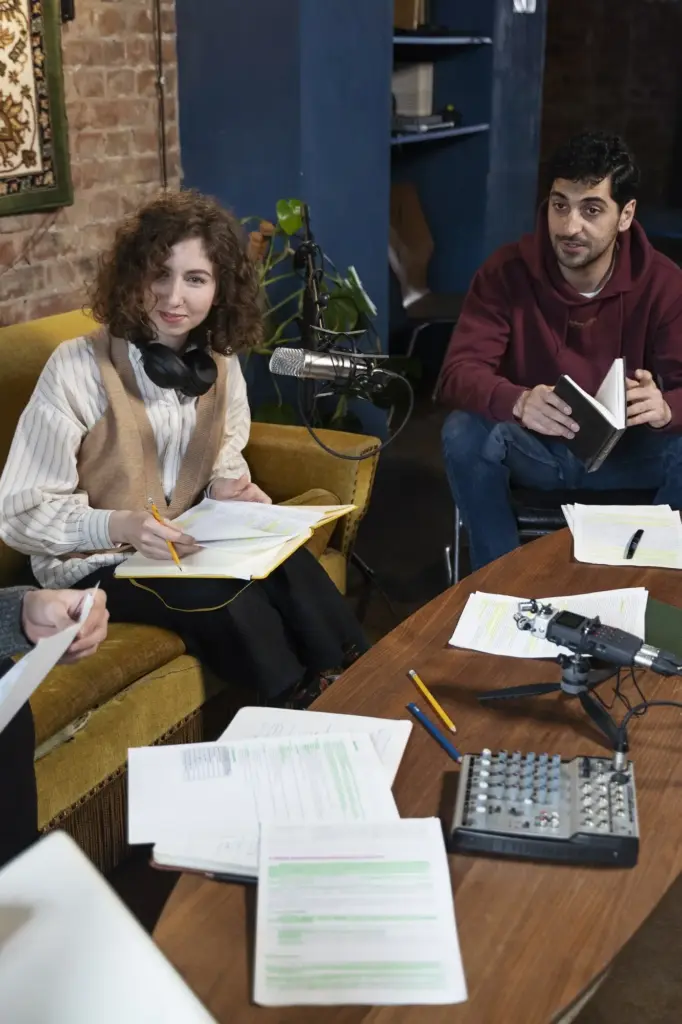
Begin with a one-minute One-Word Story or Five Things related to project goals. You’ll raise energy, equalize voices, and surface unexpected angles before decisions. Keep it brisk, celebrate brevity, and invite quieter teammates to lead rounds. Watch discussion quality jump as listening habits and supportive momentum bleed into serious agenda items.
Interview Agility
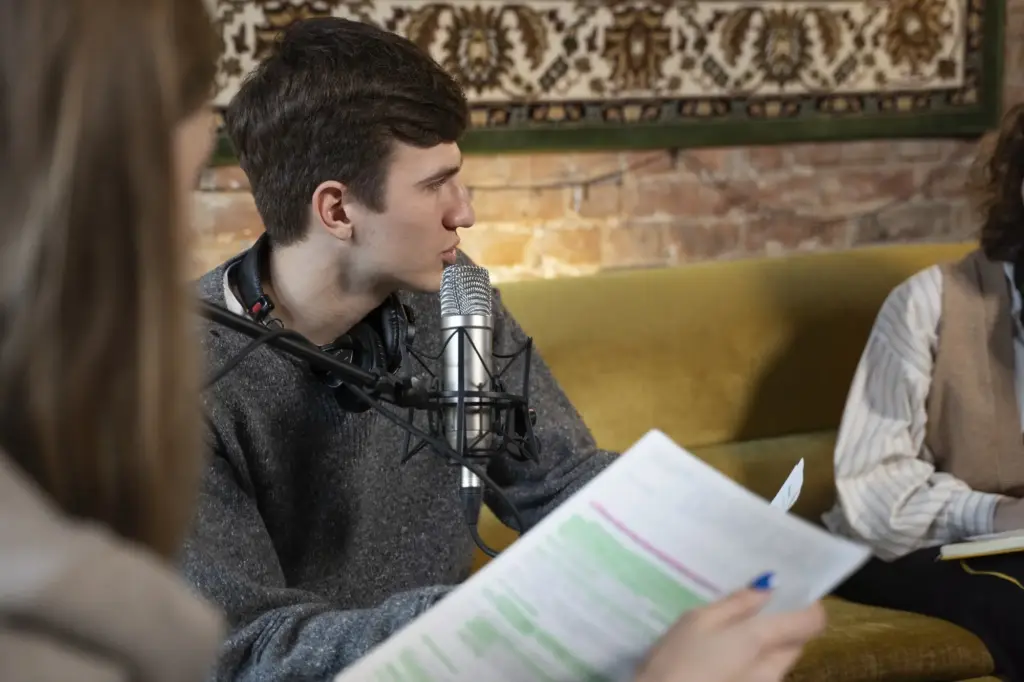
Practice Last-Word First to sharpen relevance, then switch to Status Switch for tone control. In real interviews, respond to tough questions by naming the constraint, offering three crisp points, and bridging to value. Record rehearsals, track filler words, and notice how structured spontaneity projects calm, credibility, and genuine collaborative intent.
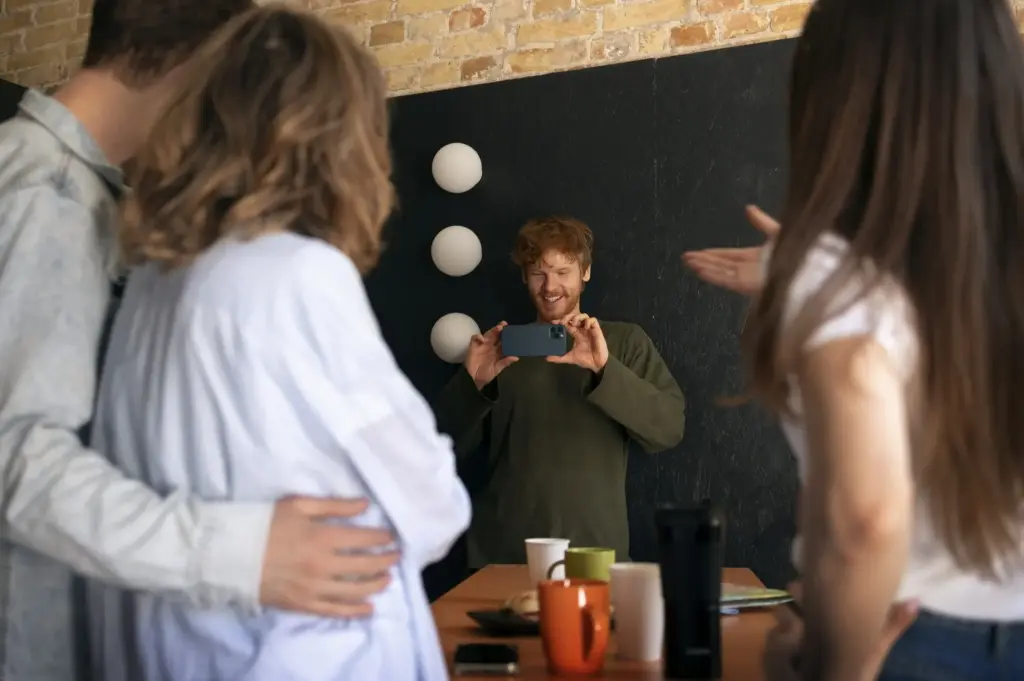
On-Camera Warmers
Before recording, run a short Zip, Zap, Zoom and a thirty-second Genre Jump about your key message. The pulse quickens focus, brightens eyes, and boosts articulation. Then deliver, imagining a friendly listener. Afterward, review breath placement and pauses, keeping what sparkled while discarding anything muddy, stiff, or distractingly overcomplicated.
All Rights Reserved.